You can love Georgetown’s brick sidewalks, historic charm, and classic rowhouses, then still feel overwhelmed when it is time to make an offer. In a neighborhood where homes can move quickly and price points are high, buying well takes more than enthusiasm. If you are thinking about purchasing a Georgetown rowhouse, this guide will help you understand the market, spot the right risks, and prepare a strong, informed offer. Let’s dive in.
Georgetown rowhouses move fast
Georgetown remains a high-priced and competitive submarket, even if different housing platforms report slightly different numbers. Recent reports showed median or average values ranging from about $1.51 million to $2.0 million, with days on market ranging from 28 to 57 and a notable share of homes selling above list price.
The important takeaway is not one exact number. It is that you should be ready for a fast-moving market where well-positioned homes can attract strong interest. If you wait to organize your financing, inspections, and decision-making until after you find the right rowhouse, you may already be behind.
Why Georgetown rowhouses are different
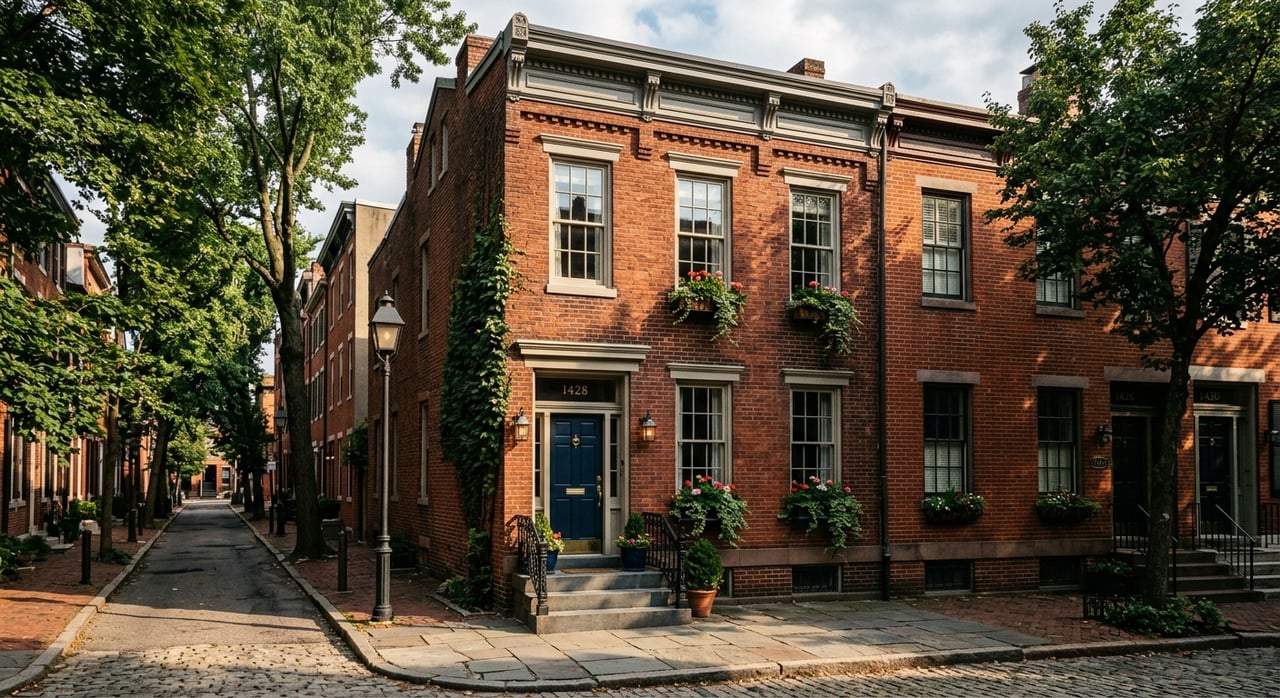
A Georgetown rowhouse is not just another home purchase in DC. Georgetown is the first historic district in Washington and a National Historic Landmark, and exterior work follows Georgetown-specific review procedures rather than the ordinary citywide process.
That matters because what you plan to change after closing can affect how you evaluate a home today. If you are dreaming about a new rear addition, updated façade details, new fencing, or other exterior work, you need to understand that review timelines and approvals may shape your budget and schedule.
Exterior changes may need review
In Georgetown, most exterior work visible from a public street or alley is reviewed by the Commission of Fine Arts and the Old Georgetown Board. Exterior work not visible from public space is generally reviewed by the Historic Preservation Office and Historic Preservation Review Board.
For you as a buyer, this means renovation ideas should be tested against the approval process early. A rowhouse that looks like an easy cosmetic upgrade may involve more time and documentation than you expect.
Permit history matters more here
DC notes that some minor work in Georgetown can include items like roof replacements not visible from the ground, minor rear alterations not visible from an alley, masonry repointing, and certain fence repairs. That makes the property’s paper trail especially important.
Before you move forward, ask for permit history, approval documents, and as-built records where available. If prior work was completed without the right approvals, you do not want to discover that after closing.
Build your offer strategy before you shop
In a competitive Georgetown market, preparation gives you leverage. The goal is not to rush blindly. The goal is to look ready, credible, and easy to work with while still protecting your key interests.
A strong offer usually starts well before the showing. You want your agent, lender, inspector, and title team aligned so that when the right rowhouse appears, you can act quickly and clearly.
Get a current preapproval letter
A preapproval letter is a lender’s tentative commitment, not a guaranteed loan, but sellers often expect to see one. It also may expire in 30 to 60 days, so timing matters.
If you are serious about Georgetown, talk with your lender before you begin making offers. A fresh preapproval and a complete lender file can help your offer look more certain in a neighborhood where certainty matters.
Keep your finances steady
Before buying, avoid opening new credit cards, taking on new debt, or making large purchases. Lenders review your income, assets, employment, debts, and credit history before final approval.
That is especially important in a high-value neighborhood. Even a strong offer can run into trouble if your financial picture changes halfway through the transaction.
Move fast, but not careless
A competitive offer does not have to mean giving up smart protections. In many cases, the most attractive protected offer is one with strong financing, fast communication, and short but realistic contingency windows.
That balance matters in Georgetown. You want to show the seller that you are serious and organized, while still keeping enough time to inspect the property and confirm key facts.
Focus your due diligence on Georgetown risks
Every home purchase involves due diligence, but Georgetown rowhouses have a few issues that deserve extra attention. Historic rules, older housing stock, and District-specific disclosure requirements all shape what you should review.
A calm, thorough process can help you avoid expensive surprises. In this market, speed matters, but so does knowing where to look.
Review the DC disclosure carefully
DC law requires sellers of residential real property to provide the Mayor-approved disclosure statement before or at the time you sign the purchase agreement. That statement covers actually known defects or information about structural systems, plumbing, electrical, heating and air conditioning, insulation, water and sewer systems, infestation, appliances, fixtures, and more.
Read this document slowly and completely. If anything is unclear, ask direct follow-up questions and compare the answers to inspection findings, repair invoices, and permit records.
Check for lead-based paint rules
If the Georgetown rowhouse was built before 1978, the safest assumption is that lead-based paint may be present unless testing shows otherwise. For those homes, sellers must disclose known lead-based paint hazards, provide available records, and give buyers a 10-day opportunity to inspect for lead hazards before the contract is signed.
If you plan future renovations, this issue becomes even more important. Lead-safe work practices are required when contractors disturb lead paint during renovation or repair.
Verify lead service line status
Lead-service-line status is another useful Georgetown diligence item. DC Water states that lead service lines were installed in the District as late as 1977, so a home’s exterior appearance alone does not tell you what you need to know.
Checking service-line status early can give you a more complete picture of the property. DC Water also offers free annual lead testing, which can be a helpful follow-up step for homeowners.
Understand inspection versus appraisal
Your inspection and your appraisal serve different purposes. The inspection is your opportunity to learn about the home’s condition, while the appraisal is generally required by the lender as part of the financing process.
The inspection should be independent and scheduled as soon as possible. Depending on your contract terms, inspection and financing contingencies may allow you to renegotiate or cancel if serious issues arise.
Budget beyond the purchase price
In Georgetown, it is easy to focus on the headline list price and forget the rest of the numbers. On a rowhouse purchase at this price level, your closing budget can be substantial.
Closing costs typically run about 2% to 5% of the purchase price. In DC, for residential property transfers at $400,000 or more, the deed recordation tax and deed transfer tax are each 1.45% of the consideration or fair market value.
Do not skip closing-file details
Another useful item in the closing process is the DC real property tax certificate. It reflects current taxes and certain charges or obligations tied to the property, including water and sewer charges, Clean City liabilities, BID taxes, vault rents, and special assessment charges.
That document can help you confirm what carries with the property at closing. According to the Office of Tax and Revenue, certificates are processed in order within 10 business days after payment, so timing should be part of your transaction planning.
A practical Georgetown buying checklist
When you are preparing to buy a Georgetown rowhouse, focus on the steps that reduce uncertainty and improve your negotiating position.
- Get a current mortgage preapproval before serious shopping
- Keep your credit, debt, and cash profile stable during the search
- Ask about permit history, approval documents, and as-built records
- Review the DC seller disclosure in detail
- Confirm whether lead-based paint rules apply
- Check lead service line status with DC Water
- Schedule an independent inspection quickly after contract ratification
- Budget for closing costs, taxes, and possible historic-review timelines
- Make sure your agent, lender, inspector, and title team are aligned early
Buy with a clear plan
Buying a Georgetown rowhouse is rarely about finding a bargain. More often, it is about making a confident decision in a high-value historic market where timing, documentation, and negotiation all matter.
When you understand the historic-district rules, prepare your financing early, and focus on the right due-diligence items, you put yourself in a much stronger position. If you want calm, step-by-step guidance as you compete for the right home in Georgetown, Cesar Castillo can help you build a smart strategy from day one.
FAQs
How competitive is the Georgetown rowhouse market?
- Georgetown remains a fast-moving, high-priced market, with recent reports showing values around the mid-$1 million to $2 million range, relatively short days on market, and a meaningful share of homes selling above list price.
What makes buying a Georgetown rowhouse different from buying elsewhere in DC?
- Georgetown is a historic district with Georgetown-specific exterior-review procedures, so planned changes to visible exterior features may require approvals that affect your timing and budget.
What should buyers review before purchasing a Georgetown rowhouse?
- You should closely review the DC seller disclosure, permit and approval history, inspection results, lead-based paint disclosures for pre-1978 homes, and lead service line status.
Do Georgetown rowhouses need lead-based paint disclosure?
- If the home was built before 1978, sellers must disclose known lead-based paint hazards, provide available records, and give buyers a 10-day opportunity to inspect for lead hazards before contract signing.
How much should I budget for closing costs on a Georgetown home?
- Closing costs typically run about 2% to 5% of the purchase price, and in DC, residential transfers at $400,000 or more are generally subject to deed recordation and deed transfer taxes of 1.45% each.
When should I get preapproved to buy in Georgetown?
- You should get preapproved before serious shopping begins, because sellers often expect a current preapproval letter and those letters may expire in 30 to 60 days.