If you are dreaming about more land, more privacy, and a quieter day-to-day pace, Great Falls probably already has your attention. Acreage living here can feel like a different world from a typical Northern Virginia subdivision, but it also comes with a very specific rhythm of ownership. This guide will help you understand what daily life on acreage in Great Falls really looks like, from the setting and routines to the upkeep and tradeoffs. Let’s dive in.
What Great Falls Acreage Living Feels Like
Great Falls sits in Fairfax County’s Upper Potomac Planning District, an area the county describes as stretching from the semi-rural Great Falls area to more urbanizing centers. Within Great Falls, that includes the village area, estates, large-lot subdivisions, and low-density residential areas. In the 2020 Census, the Great Falls CDP had a population of 15,953.
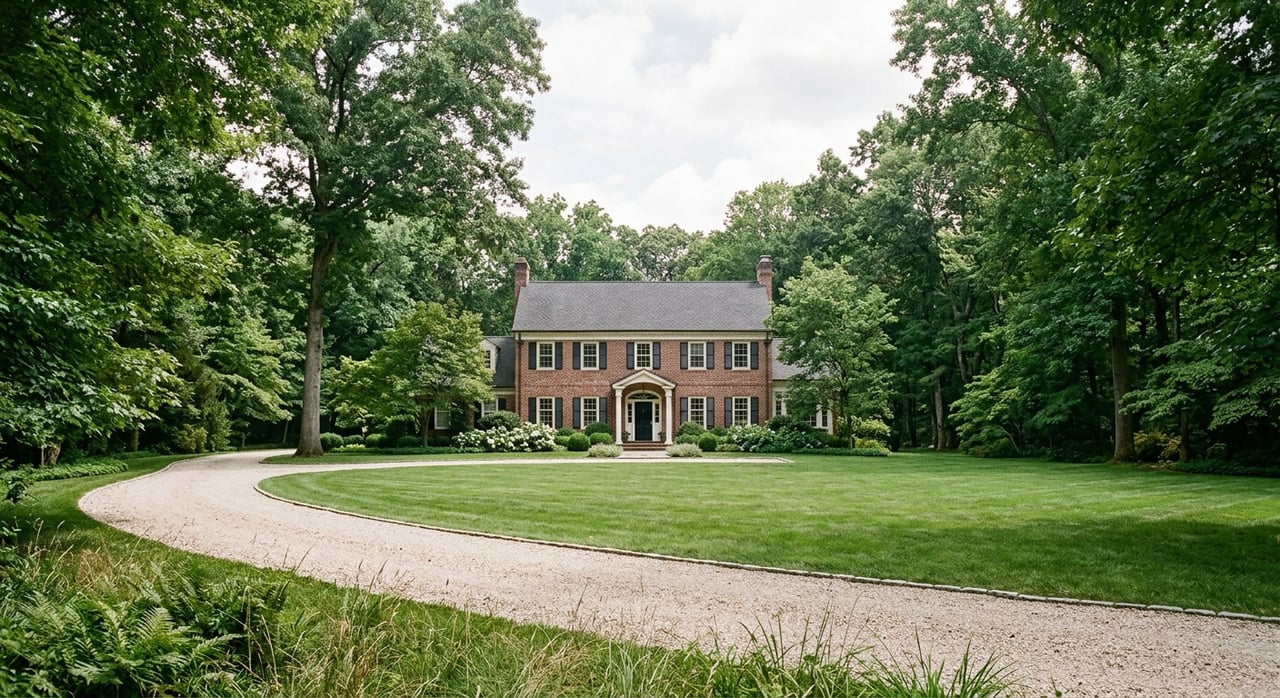
What stands out most is the setting. County planning materials describe steep wooded land, stream valleys, and large forested areas along the Potomac River, which help create a more private and nature-oriented feel than you will find in many standard suburban neighborhoods.
That landscape is part of why so many buyers are drawn here. You get a quieter environment, more separation between homes, and a stronger connection to the outdoors, all while staying within reach of the broader DC region.
Why Large Lots Feel Different
Acreage changes the way you use your home. Instead of thinking mainly about interior square footage, you start thinking about how the land itself supports your lifestyle.
Large lots can create space for everyday uses like gardening, outdoor dining, pets, hobby areas, and room to spread out. If you have been craving breathing room, this is often the part of Great Falls living that feels most rewarding.
The area also has a strong rural historical identity. The Great Falls Grange, once tied to Fairfax County’s dairy farming community, remains a major community landmark and reflects the area’s long-standing connection to land and open space.
How Residents Use Acreage Day to Day
Daily life on acreage often centers on the outdoors. You may spend more time planning a garden, setting up a patio for entertaining, walking your property, or simply enjoying a quieter morning view than you would on a smaller lot.
For buyers who enjoy horses, trails, or nature access, Great Falls offers meaningful options nearby. Turner Farm has almost 40 acres of open fields for general riding, and Difficult Run Stream Valley includes about 14 miles of mostly natural-surface trail between Miller Heights Road and Georgetown Pike.
County planning materials also note that the area’s landforms are adaptable to uses like nature trails, bridle trails, picnic areas, and occasional playgrounds. At the same time, they are generally less suited to large active recreation uses such as ballfields or tennis courts.
Community Anchors Still Matter
Even with the spread-out feel, Great Falls still has community touchpoints. Great Falls Library on historic Georgetown Pike is described by Fairfax County as a community gathering place.
The Great Falls Grange also continues to host community use and events. So while acreage living can feel private, it does not necessarily feel isolated.
The Maintenance Side of Daily Life
More land usually means more responsibility. That is one of the biggest realities to understand before you buy acreage in Great Falls.
In practical terms, ownership often includes more mowing, leaf cleanup, tree care, drainage checks, and driveway or snow attention than you would expect on a smaller suburban lot. The wooded, low-density character that makes the area appealing also creates more ongoing outdoor work.
For some buyers, that tradeoff feels worth it right away. For others, it is an adjustment that should be considered carefully before making a move.
Utility Checks Matter
Utility setup can vary from one property to the next. Not every acreage home in Great Falls uses a private well and septic system, so it is important to verify each parcel individually.
If a property has an onsite sewage system, Fairfax County’s Health Department says it must be pumped at least once every five years. For private wells, the county says homeowners are responsible for water safety and should test annually.
These are not deal breakers, but they are part of the ownership rhythm. If you are moving from a home with public water and sewer, this is one area where step-by-step guidance really helps.
Zoning and Permits to Know
Part of Great Falls’ spacious feel comes from Fairfax County’s zoning framework. In the county’s R-E Residential-Estate district, the minimum lot area is 75,000 square feet and the maximum density is 0.5 dwelling units per acre.
That supports the large-lot character many buyers want, but it does not mean you can build or add structures without review. Larger lots still come with rules, permits, and site-specific considerations.
Fairfax County says a residential New Building permit is required for projects such as detached garages, carports, pool or bath houses, accessory buildings, gazebos, pole barns, and sheds over 256 square feet. County review may also involve zoning, wastewater, and Health Department staff if the property is served by well or septic.
Small Structures Still Have Placement Rules
The county’s modernized zoning ordinance allows accessory structures such as sheds, children’s play equipment, and gazebos up to 12 feet high to be placed five feet from side and rear lot lines. That can create useful flexibility, but you still need to confirm what applies to a specific property and project.
If you are buying with future plans for a pool, detached garage, or outbuilding, it makes sense to think beyond the house itself. The land may offer opportunity, but the details matter.
Errands, Access, and Daily Rhythm
Great Falls is not built around a walk-everywhere lifestyle. County planning places the area within a district served by community and neighborhood shopping centers in Reston, Herndon, Chantilly, and Great Falls, with Tysons Corner Center and Fair Oaks Mall identified as the nearest regional shopping centers.
That means errands are still manageable, but your day-to-day routine is likely to be more car-oriented than in denser parts of Northern Virginia. For many acreage buyers, that is an acceptable trade for more space and privacy.
Georgetown Pike also shapes the local experience. It is part of a corridor valued for its scenic and historic character, and county heritage materials say major widening would damage that character.
The Tradeoff Is Real
This is one of the clearest lifestyle tradeoffs in Great Falls. You gain space, wooded surroundings, and a quieter setting near DC, but you usually give up some convenience and walkability.
If you love the idea of land and room to breathe, that trade may feel easy. If you want quick, dense, on-foot access to daily errands, it is worth being honest about how that difference will affect your routine.
Who Great Falls Acreage Living Fits Best
Acreage living in Great Falls tends to fit buyers who prioritize privacy, outdoor space, and a calmer setting more than low-maintenance ownership. It can be especially appealing if you picture yourself using the land in a hands-on way rather than simply looking at it.
This lifestyle often makes sense for gardeners, pet owners, hobbyists, horse-oriented buyers, and households that want a quieter environment near the DC area. It can also work well for move-up buyers who are ready for more property and understand that each parcel may require its own utility and land-use checks.
The key is fit. The right acreage home is not just about price or square footage. It is about whether you will enjoy the daily responsibilities that come with the space.
If you are weighing that move, a calm, detailed review of each property can help you avoid surprises and focus on the homes that truly match your goals. When you are ready to explore Great Falls with a clear strategy, Cesar Castillo can help you evaluate the lifestyle, the property details, and the tradeoffs with patient, hands-on guidance.
FAQs
What is daily life on acreage in Great Falls like?
- Daily life often feels quieter, more private, and more connected to the outdoors, with more room for gardening, pets, entertaining, and hobby use.
Do Great Falls acreage homes always have well and septic?
- No. Utility setup varies by parcel, so you should verify each property individually.
What maintenance should you expect on a Great Falls acreage property?
- Many owners should expect more mowing, leaf cleanup, tree care, drainage attention, and driveway or snow maintenance than on a smaller suburban lot.
Can you add a shed, garage, or other outbuilding in Great Falls?
- Often yes, but permits may be required, and county review can also involve zoning, wastewater, or Health Department staff depending on the property.
Is Great Falls acreage living walkable for daily errands?
- Great Falls is generally more car-oriented, with shopping and services accessed through Great Falls and nearby areas such as Reston, Herndon, Chantilly, Tysons, and Fair Oaks.
Who is a good fit for acreage living in Great Falls?
- Buyers who value privacy, outdoor space, and a quieter setting, and who are comfortable with the upkeep and property-specific checks that come with larger lots.