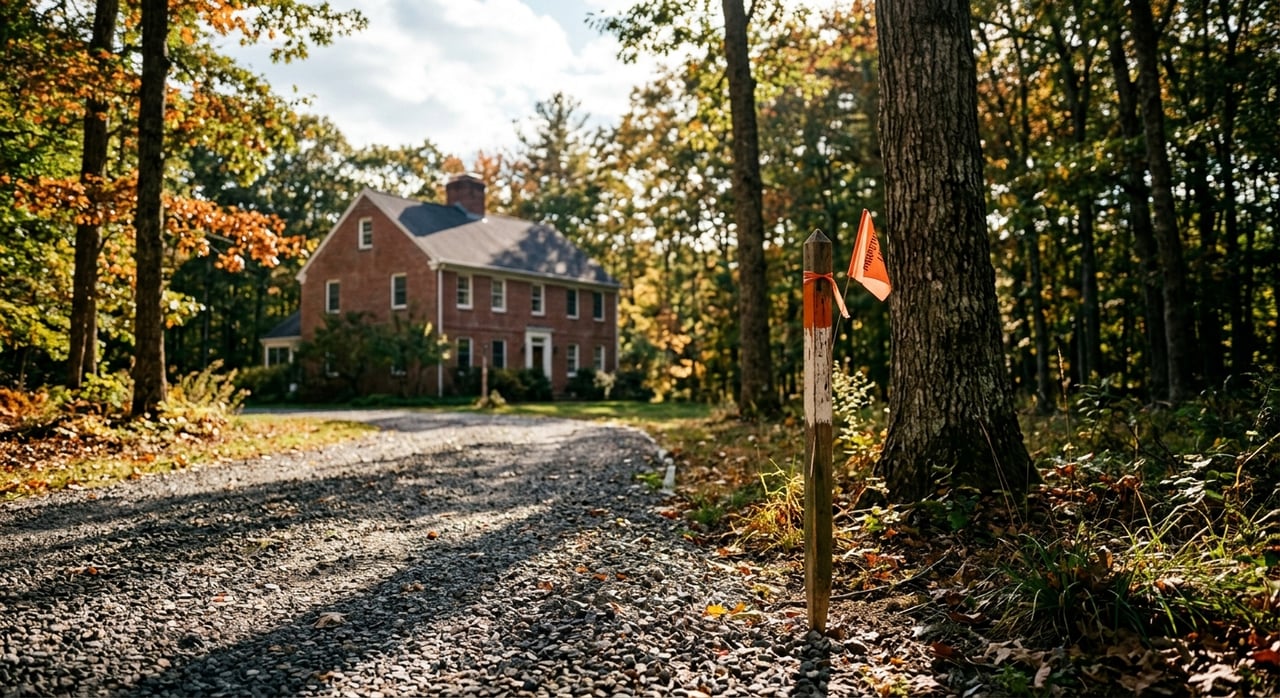
Buying land in Great Falls can look simple at first glance. You see a beautiful parcel, a large lot, and the vision of a custom home takes shape quickly. But in this part of Fairfax County, land is rarely a plug-and-play purchase, so understanding the rules and site conditions before you buy can save you time, money, and stress. Let’s dive in.
Why Great Falls land needs extra homework
Great Falls is planned as a low-density residential area, and Fairfax County expects change there to be reviewed carefully. In practical terms, that means a land purchase often involves more than checking the lot size and imagining what could fit.
If you are buying land in Great Falls, think of it as a research and approvals project as much as a real estate purchase. A parcel may look ideal on paper, but what you can actually build depends on zoning, site constraints, access, and permitting.
Start with zoning, not assumptions
Before you make an offer, verify the property’s exact zoning district by address through Fairfax County’s zoning tools. Then review the county’s use tables to see what is allowed by-right and what may require additional approval.
This step matters because a larger lot does not automatically mean more building options. Fairfax County generally limits a lot to one dwelling unit, with some exceptions, so extra acreage does not necessarily allow a second house, a subdivision, or an accessory dwelling unit.
By-right use vs. extra approvals
If your intended use is not allowed by-right, you may need a rezoning, special permit, or special exception. These are not quick add-ons to a normal sale. They can involve formal review and public hearings, and approvals depend on the county process.
Rezoning goes through the Planning Commission and the Board of Supervisors, and only the Board of Supervisors can approve it. Special permits are reviewed by the Board of Zoning Appeals and normally take about 90 days from acceptance to hearing.
County rules are not the only rules
Even if county zoning allows your plan, private restrictions may still limit what you can do. Covenants, subdivision documents, and HOA rules can be stricter than zoning, and Fairfax County does not enforce them.
That means you should review title materials, recorded subdivision documents, and any HOA paperwork separately. If a restriction affects setbacks, home size, architectural features, or use, it can still shape your options.
A legal lot is not always a buildable lot
One of the biggest mistakes land buyers make is assuming that a valid parcel is automatically ready for construction. Fairfax County makes a clear distinction here.
A buildable lot must satisfy zoning setbacks, floodplain rules, Chesapeake Bay Preservation rules, erosion and stormwater measures, legal access from a public road, and the required well and septic permits. If even one of those pieces is missing, your timeline and budget can change fast.
Confirm lot lines and legal access
If lot lines are unclear or the parcel was split informally in the past, you may need help confirming what you are actually buying. Fairfax County points buyers to a licensed land surveyor or a lot-validation request in these situations.
Many plats can be downloaded through the county’s zoning property file system, which can help you start your review. Still, a current survey is often one of the smartest due diligence costs on a land purchase.
Watch for streams, wetlands, and floodplain issues
Land near a stream, wetland, or floodplain can trigger extra review. In Fairfax County, Resource Protection Areas generally include land within a major floodplain and within 100 feet of certain waterways and wetlands.
That matters because environmental protections can affect where you build, how much clearing is allowed, and what approvals you need before work begins. A parcel with scenic natural features may also come with tighter development limits.
Soil conditions matter more than many buyers expect
Soils can shape everything from drainage to septic feasibility to construction cost. Fairfax County provides soils maps and a soils viewer that can help you understand general development suitability before you spend heavily on design.
For homes that will rely on septic, the county says the process starts with a local soil scientist. The Health Department then reviews the evaluation to determine whether an onsite sewage system is feasible.
Well and septic need early attention
In parts of Great Falls, private well and septic considerations are a major part of the due diligence process. If the property is not connected to public systems, do not treat this as a later checklist item.
The county requires soil evaluation and permit review through PLUS for septic-related feasibility. If the home will use a private well, the owner is responsible for water safety and should test the water annually.
Teardown lots still need careful review
A teardown can feel easier than raw land because there is already a house on the property. In reality, it still needs close review before you assume you can remove the existing structure and build what you want.
Fairfax County requires a residential demolition permit for complete or partial demolition. A new custom home, or a new single-family dwelling on an existing foundation, requires a residential new-building permit.
Historic review can affect design plans
Some parcels may also have historic-review issues. If a property is inside a Historic Overlay District, Fairfax County requires Architectural Review Board oversight for rehabilitation, new construction, and exterior alterations.
That means even a teardown or major redesign may still face design review. If you are looking at an older property in Great Falls, this is worth checking early.
Understand the site work and permit timeline
Many buyers budget for the land and the future home, but not the approval path in between. In Great Falls, that middle phase can be substantial.
Before major clearing or grading, Fairfax County says land disturbance of 2,500 square feet or more requires an approved site-related plan before work begins. Depending on the parcel, you may also need building or demolition permits, VDOT driveway or right-of-way permits, floodplain or RPA approvals, and Virginia 811 notification before digging.
Why timelines are often longer
Land transactions usually involve more soft costs and more moving parts than a standard resale purchase. Between zoning verification, possible rezoning or special permit review, survey work, soil work, site-related plans, and permit approvals, the process can stretch well beyond what many buyers expect.
That does not mean buying land in Great Falls is a bad idea. It means you should go in with a realistic timeline and a due diligence plan that matches the property.
Build your due diligence team early
The right professionals can help you spot issues before they become expensive surprises. For many Great Falls land purchases, that means bringing in a licensed surveyor, soil scientist, engineer, architect, and builder early in the process.
You may also want legal counsel for title, covenant, and ownership questions. When you have the right team reviewing the parcel before closing, you are in a much better position to decide whether the property fits your goals.
A simple buyer checklist for Great Falls land
If you are evaluating a lot or teardown, use this as a starting point:
- Verify the zoning district by address
- Confirm what is allowed by-right
- Check whether your plan would need a rezoning, special permit, or special exception
- Review title, covenants, subdivision restrictions, and HOA documents
- Order or review a recent survey
- Confirm legal access from a public road
- Check for floodplain, wetlands, streams, and Resource Protection Area concerns
- Review soils and drainage conditions
- Start septic feasibility review early if needed
- Confirm whether well service will be required
- Ask about demolition permit needs for teardown properties
- Check for Historic Overlay District review issues
- Budget for site plans, consultants, permits, and longer timelines
What this means for your buying strategy
The best approach is to slow down before you commit. In Great Falls, land value is tied not just to location and size, but to what the county and the site will actually support.
A calm, methodical review can help you avoid overpaying for land that needs more approvals, more engineering, or more site work than expected. It can also help you move forward with confidence when a parcel truly fits your vision.
If you are considering land or a teardown in Great Falls, the goal is not to guess. It is to verify. With the right guidance, you can evaluate the opportunity clearly and make a decision that protects both your plans and your budget.
If you want a steady, low-pressure partner to help you evaluate a lot, compare options, and plan your next steps, reach out to Cesar Castillo for a free consultation.
FAQs
What should you check first before buying land in Great Falls?
- Start with the exact zoning district, then confirm whether your intended use is allowed by-right or would require additional county approval.
Does a larger lot in Great Falls allow more than one home?
- Not necessarily. Fairfax County generally limits a lot to one dwelling unit, with some exceptions, so extra land does not automatically allow a second house or subdivision.
Can a Great Falls lot be legal but still not buildable?
- Yes. A lot may still need to satisfy setbacks, floodplain rules, Chesapeake Bay Preservation rules, erosion and stormwater measures, legal road access, and well and septic requirements.
Do teardown properties in Great Falls need permits?
- Yes. Fairfax County requires a residential demolition permit for demolition work, and a new custom home requires a residential new-building permit.
What professionals help with a Great Falls land purchase?
- Depending on the parcel, buyers often benefit from involving a licensed surveyor, soil scientist, engineer, architect, builder, and legal counsel before closing.
Are HOA rules and covenants important when buying land in Great Falls?
- Yes. Private covenants and HOA rules can be stricter than county zoning, and you need to review those documents separately because the county does not enforce them.